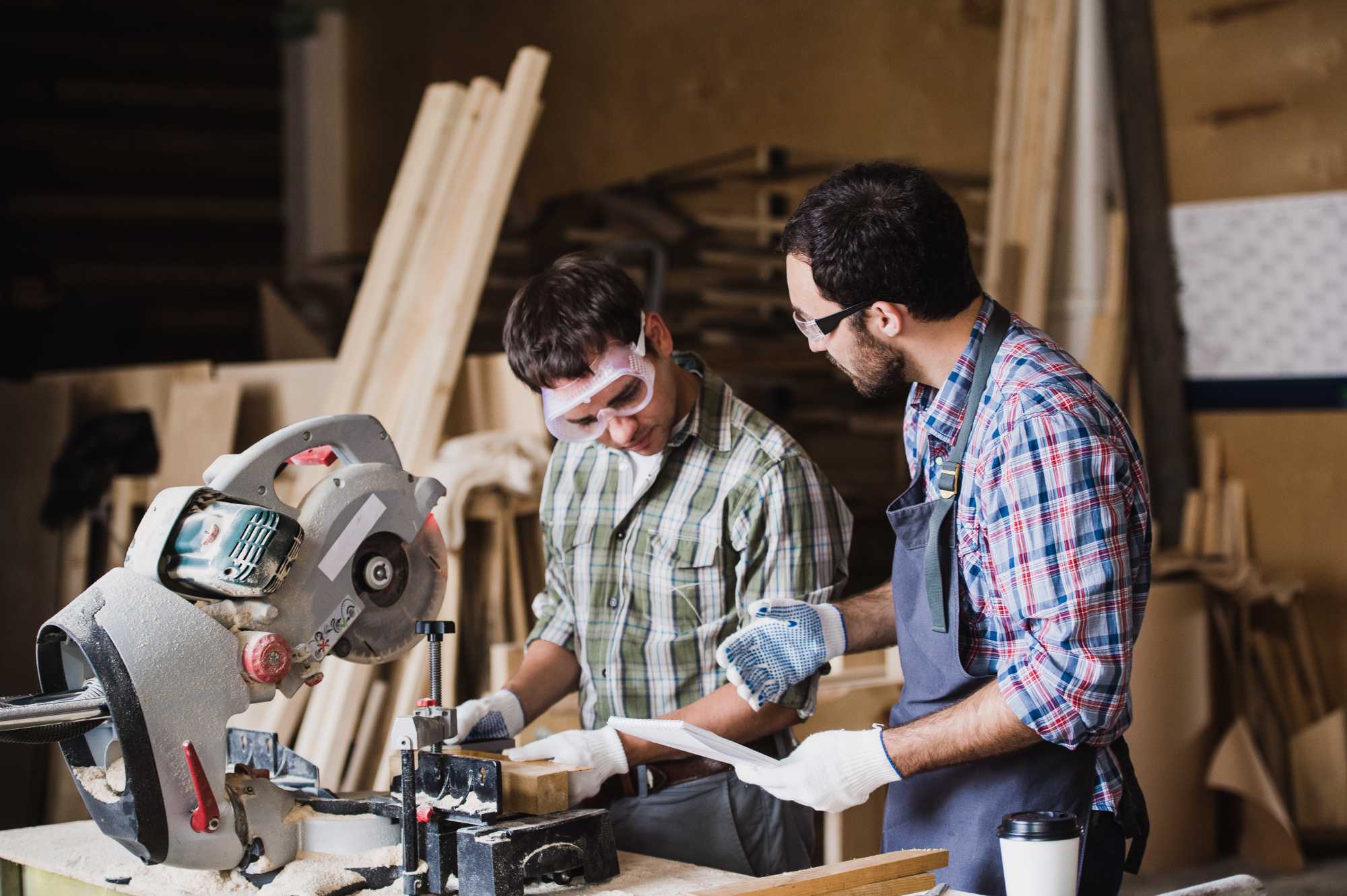
Carpentry
Carpentry is more than just woodwork—it's the foundation of structural beauty and everyday function in homes and businesses alike. From framing walls to building custom cabinets, skilled carpenters shape the spaces we live and work in. They blend raw materials with precision tools to create both structural elements and decorative features. Whether it’s installing flooring or crafting bespoke shelving, carpentry is at the heart of practical design. It requires patience, skill, and a deep understanding of materials and methods. A well-crafted piece of carpentry can last decades, standing as a testament to the craft.
Modern carpentry has evolved beyond the hammer and saw, incorporating advanced tools, techniques, and materials. Laser levels, cordless systems, and computer-guided cutting tools are now part of the trade. These innovations have not only improved accuracy but also enhanced the quality of finish in complex builds. Today's carpenter must be just as tech-savvy as they are skilled with their hands. The integration of design software also allows clients to visualise custom features before they're built. This blend of traditional craftsmanship and modern innovation sets great carpenters apart.
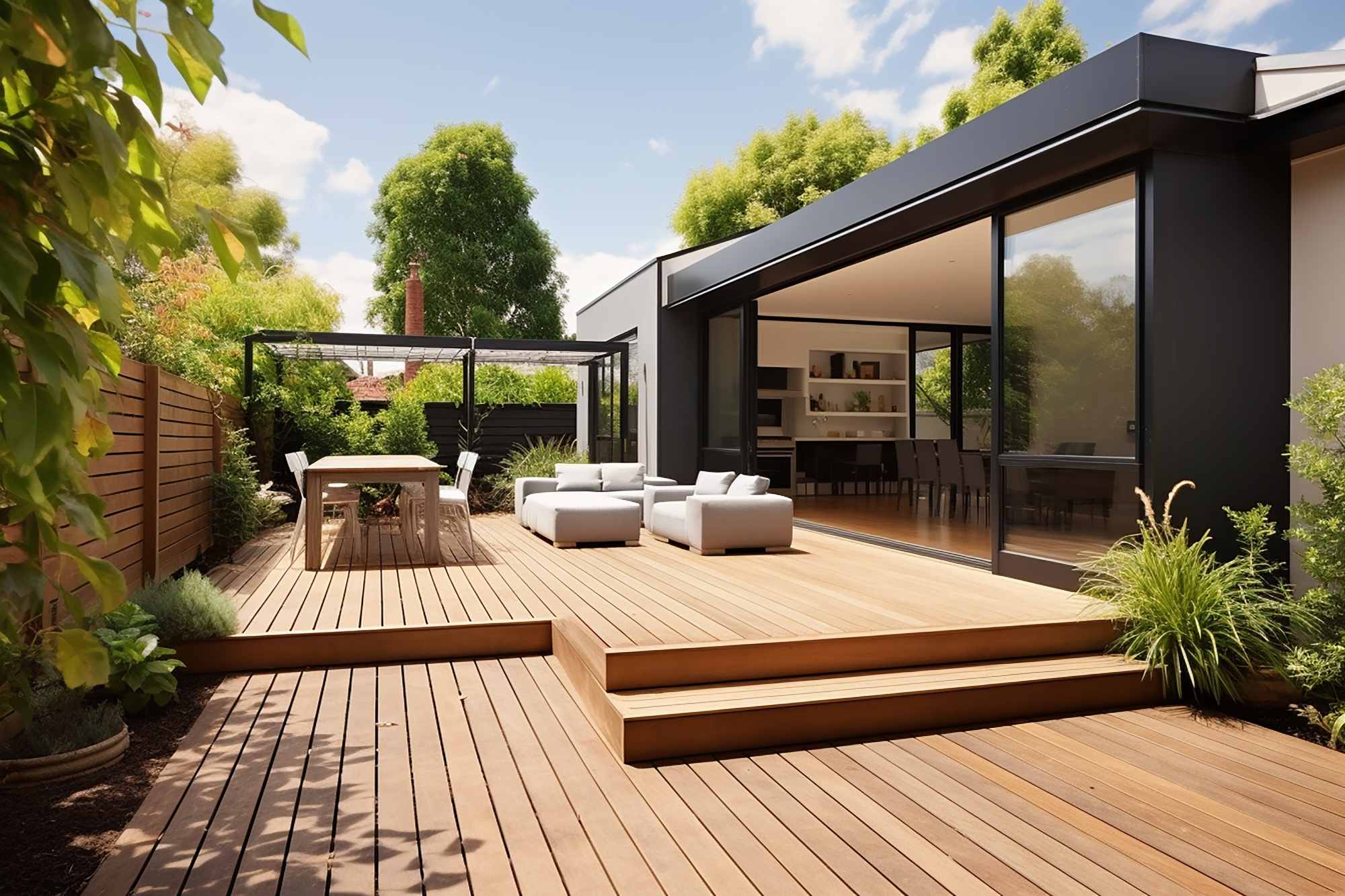
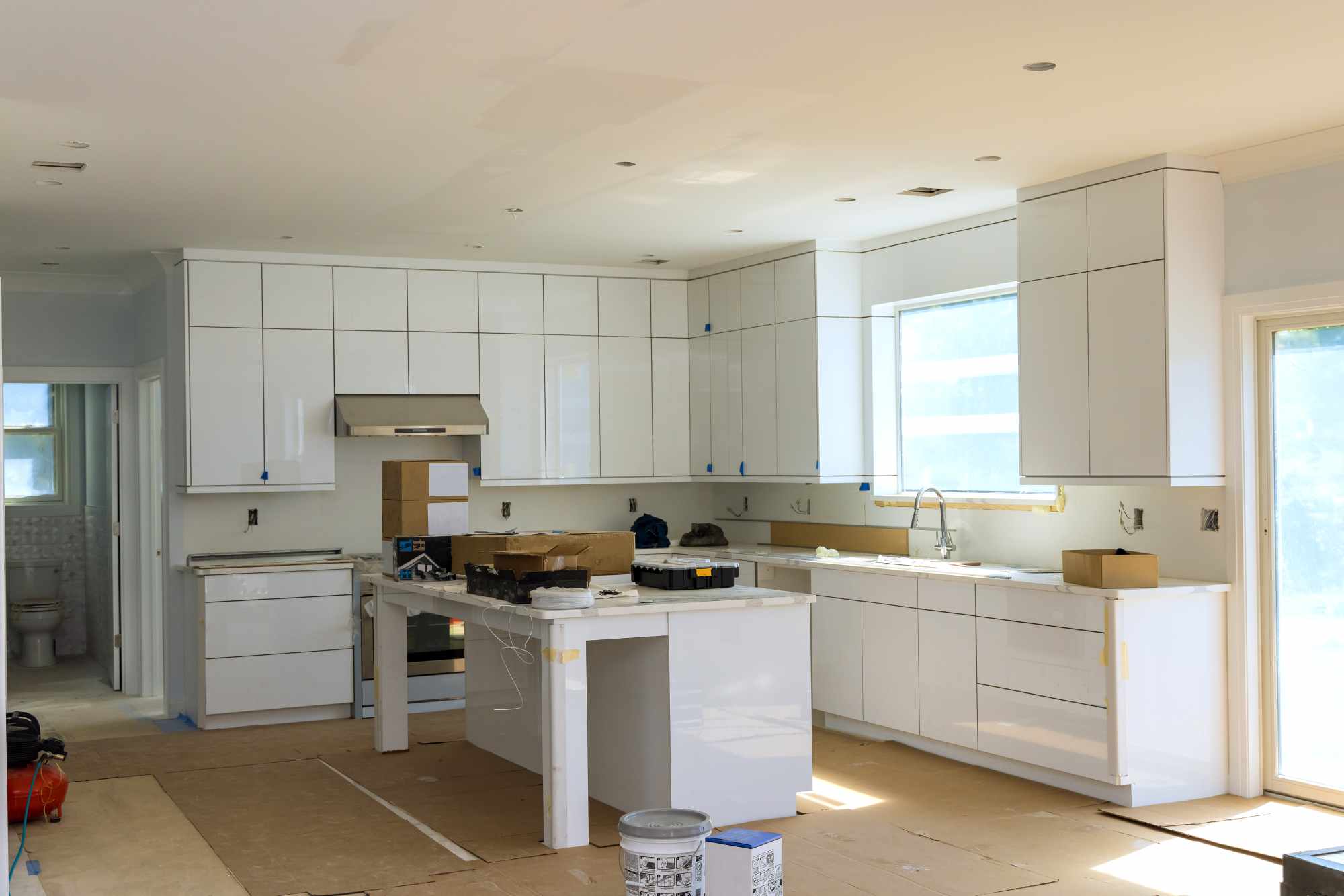
There are many branches within carpentry, each with its own specialisation and techniques. Rough carpentry focuses on framing and foundational structures, while finish carpentry handles finer details like trim and moulding. Then there's cabinetry, decking, and formwork—each requiring a unique set of tools and expertise. Commercial carpentry, on the other hand, often involves large-scale construction and high-performance materials. No matter the type, precision and durability are non-negotiable in quality carpentry. Each subfield plays a vital role in the construction and design ecosystem.
Choosing the right carpenter means choosing reliability, craftsmanship, and attention to detail. A great carpenter doesn't just build—they solve problems and turn ideas into reality. They understand the importance of measurements, materials, and project timelines. Whether working on a small home upgrade or a full renovation, the outcome depends on skill and experience. Communication is just as important, as clear collaboration ensures the finished product meets expectations. A trusted carpenter becomes a long-term partner in maintaining and enhancing your property.
Custom carpentry adds unique character to any space—no two builds are exactly alike. Whether it's a handcrafted staircase, a feature wall, or a built-in desk, custom work reflects personality and purpose. These features often become the focal point of a room, merging function with design. Working with a skilled carpenter allows homeowners to express their style through wood, texture, and shape. It’s the kind of investment that pays off in comfort, utility, and long-term value. And nothing quite matches the satisfaction of seeing a vision built from scratch.
In both residential and commercial settings, the demand for skilled carpenters continues to grow. As more people focus on quality over quantity in their spaces, the appreciation for well-done carpentry is on the rise. From sustainable material choices to energy-efficient builds, carpenters are also contributing to eco-friendly construction. Their role is essential not just in new builds, but in the ongoing upkeep of existing structures. A good carpenter doesn’t just meet expectations—they elevate them. That’s what makes carpentry such a valued and enduring craft.